Bariatric Surgery
Overview of Bariatric Surgery
Bariatric surgery, also known as weight-loss surgery, is a group of surgical procedures designed to help individuals with obesity lose weight by modifying the digestive system, often by reducing stomach size or bypassing parts of the digestive tract
Bariatric surgery is done when diet and exercise haven’t worked or when you have serious health problems because of your weight. Some weight-loss procedures limit how much you can eat. Others work by reducing the body’s ability to absorb fat and calories. Some procedures do both.
While bariatric surgery can offer many benefits, all forms of weight-loss surgery are major procedures that can pose risks and side effects. Also, you must make permanent healthy changes to your diet and get regular exercise to help ensure the long-term success of bariatric surgery.
Types of Bariatric Surgery
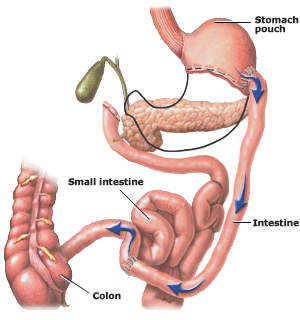
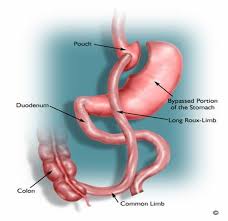
Gastric bypass (Roux-en-Y)
Biliopancreatic diversion with duodenal switch (BPD/DS)
Booking form
Advantages of Bariatric Surgery
Improved Outcomes:
Higher success rates with fewer complications.
Shorter Hospital Stay:
Many procedures are done on an outpatient basis.
Faster Return to Work:
Patients can resume daily activities sooner.
Cosmetic Benefits:
Small scars are less noticeable
Patient Comfort:
Reduced pain and discomfort post-surgery.
Safety and Innovation:
Advancements in technology make laparoscopic surgery safer and more effective